
For years, real estate has focused on urban markets—dense, walkable, high-demand areas where rents rise quickly and properties turn fast. However, as buyer preferences shift and remote work becomes a permanent fixture in many industries, suburban rental markets are stepping into the foreground.
In Toledo, this shift is already underway.
Investors who once concentrated on downtown neighborhoods are increasingly turning their attention to the city’s surrounding communities. Suburbs like Maumee, Sylvania, Perrysburg, and Ottawa Hills are drawing new interest thanks to their relative affordability, stable tenant base, and consistent real estate appreciation.
This article explores what’s driving the momentum behind the suburban rental market in Toledo, why these neighborhoods are seeing an uptick in investor interest, and how you can evaluate which suburb aligns with your investment property goals.
Whether you’re seeking cash flow, long-term appreciation, or a low-maintenance tenant profile, investing in Toledo suburbs could be the strategic move your portfolio needs.
What We Love About the Toledo Suburban Rental Market
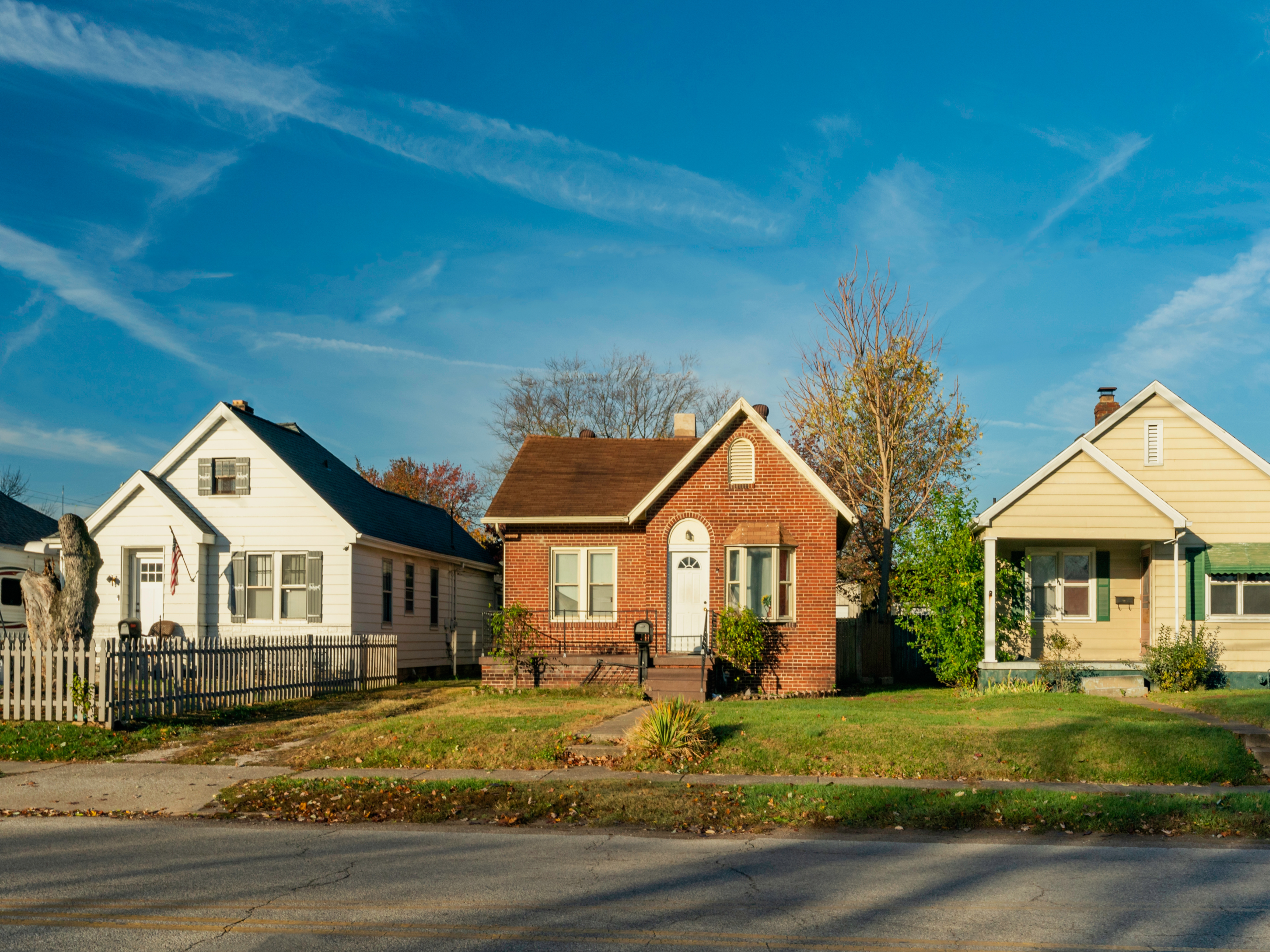
Toledo’s suburbs have quietly become some of the most compelling investment zones in Northwest Ohio. While the city offers affordable entry points and solid cash flow potential, many investors are finding even greater stability—and opportunity—just outside the city limits.
So, what’s driving this suburban surge?
Lower Competition, Higher Tenant Stability
Unlike the urban core, where tenant turnover tends to be higher, Toledo’s suburbs are largely home to long-term renters: families, professionals, and retirees who value stability, school access, and community. This translates to fewer vacancies and lower turnover costs, two of the most important factors in maintaining cash flow.
Schools, Amenities, and Safety
Suburbs like Sylvania or Perrysburg offer an elevated quality of life for tenants. Highly rated school districts, lower crime rates, and well-maintained public infrastructure make these areas ideal for renters who are looking for more than just square footage. As a landlord, that kind of demand provides leverage—not just in filling units quickly but in commanding premium rents over time.
Affordable Housing That Appreciates
Despite rising interest in suburban markets, many of Toledo’s surrounding communities still offer relatively affordable housing compared to national benchmarks. When paired with consistent appreciation and strong rental demand, affordable housing in Toledo suburbs represents a rare sweet spot: low acquisition costs and solid upside potential.
The result? An investment market that offers reliability and long-term growth without the volatility that often accompanies city-center investing.
Maumee – A Revitalized Growth Corridor in Lucas County
Maumee’s housing market is experiencing significant development, particularly in the Arrowhead Business Park area. Metropolitan Holdings has proposed the Citana Apartments, a four-story luxury complex with 246 units, slated to begin construction in 2026. This development is strategically located near over 250 companies employing more than 14,000 individuals, indicating a robust economic environment.
Additionally, the Buckeye Real Estate Group plans to build a new subdivision off Black Road, comprising over 300 homes. This project reflects the city’s commitment to expanding its housing infrastructure to meet growing demand.
Rental Demand Indicators
Maumee’s rental market is characterized by low vacancy rates and a steady demand for housing. The average rent for apartments is approximately $1,425 per month, with a median close to $1,437. One-bedroom apartments rent for around $898, two-bedroom units for $1,593, and three-bedroom apartments for $1,723. Landlords should evaluate potential rental income in relation to property values.
The Toledo suburb’s population has remained relatively stable, with a slight decrease from 13,896 in 2020 to 13,810 in 2022. The current vacancy rate is just over 8%, with older properties taking the longest to lease. This stability suggests a consistent demand for rental properties, but new properties coming online could put pressure on the rental market. Hence, landlords in this area need to make sure their rental properties stay competitive.
Housing Stock and Property Types
Maumee’s housing stock predominantly comprises single-family detached homes, accounting for 76.72% of the city’s housing units. Other housing types include large apartment complexes or high-rise apartments (11.93%), which act as affordable housing, duplexes or small apartment buildings (6.72%), and a few row houses and other attached homes (4.01%).
The city also offers a range of townhomes and condominiums, with median townhouse prices at approximately $283,400. This diversity in housing options caters to various tenant preferences, from families to professionals.Homes
Target Tenant Demographics
Maumee attracts a diverse tenant base, including families, professionals, and students. Approximately 39% of rental households are family households, and 19% include children under 18. Additionally, 35% of renters hold a bachelor’s degree or higher, indicating a well-educated tenant population.
The presence of major employers in the Arrowhead Business Park and the development of luxury apartments suggest a growing demand from young professionals seeking quality rental accommodations near their workplaces.
Long-Term Appreciation Outlook
The Maumee property values have shown positive appreciation trends. As of February 2025, the median listing home price was $336,000, reflecting an astounding 26.8% year-over-year increase. This upward trajectory indicates a healthy real estate market with potential for long-term investment property gains. Furthermore, the city’s commitment to economic development and infrastructure improvements, such as the luxury apartment complex and new subdivisions, suggests continued growth and appreciation in property values.
Perrysburg – A High-Demand Suburban Market
Just south of Toledo, Perrysburg has become one of the area’s most talked-about suburbs—not just for its charming downtown or riverfront views. With economic expansion, growing population, and ongoing residential development, Perrysburg is positioning itself as a powerhouse in the suburban rental market in Toledo.
Perrysburg is experiencing economic expansion from the distribution, warehousing, logistics, and interstate trade sectors. This growth has led to a rental demand for traditional households seeking new, low-maintenance rental options. Notably, the new Harrison Landing project by Metropolitan Holdings offers 1-3 bedroom units. However, many residents of this suburb prefer single-family homes, creating an opportunity for investors.
Rental Demand Indicators
The city’s housing market is robust, with average rents for one-bedroom apartments at approximately $1,372, two-bedroom units at $1,698, and three-bedroom apartments at $1,864. The average rent has increased by 12% over the past year, indicating strong demand. Additionally, Perrysburg’s population has grown steadily, reaching an estimated 25,236 residents in 2023, reflecting a 0.27% year-over-year increase.
Housing Stock and Property Types
Perrysburg offers a diverse housing stock, including single-family homes, townhouses, and apartments. The city has seen a surge in new construction, with 63 new construction homes listed for sale, ranging from $304,890 to $529,990. This variety caters to a wide range of tenant preferences and investment property strategies. Investors considering this area should look into older homes that can be renovated, where they can add value while staying competitive.
Target Tenant Demographics
The suburb rental market in Perrysburg is predominantly occupied by residents aged 25-34, accounting for 24% of renters, followed by the 45-54 age group at 16%. This demographic distribution suggests a strong presence of young professionals and established households seeking quality rental accommodations.
Long-Term Appreciation Outlook
Perrysburg’s housing market has demonstrated significant appreciation, with average home prices increasing by 23% over the past year to $422,000. However, recent data indicates a potential slowdown, with median home prices experiencing a modest 0.3% increase since last year. Investors should monitor these trends closely to assess long-term appreciation potential.
Ottawa Hills – Toledo’s Premium Rental Market
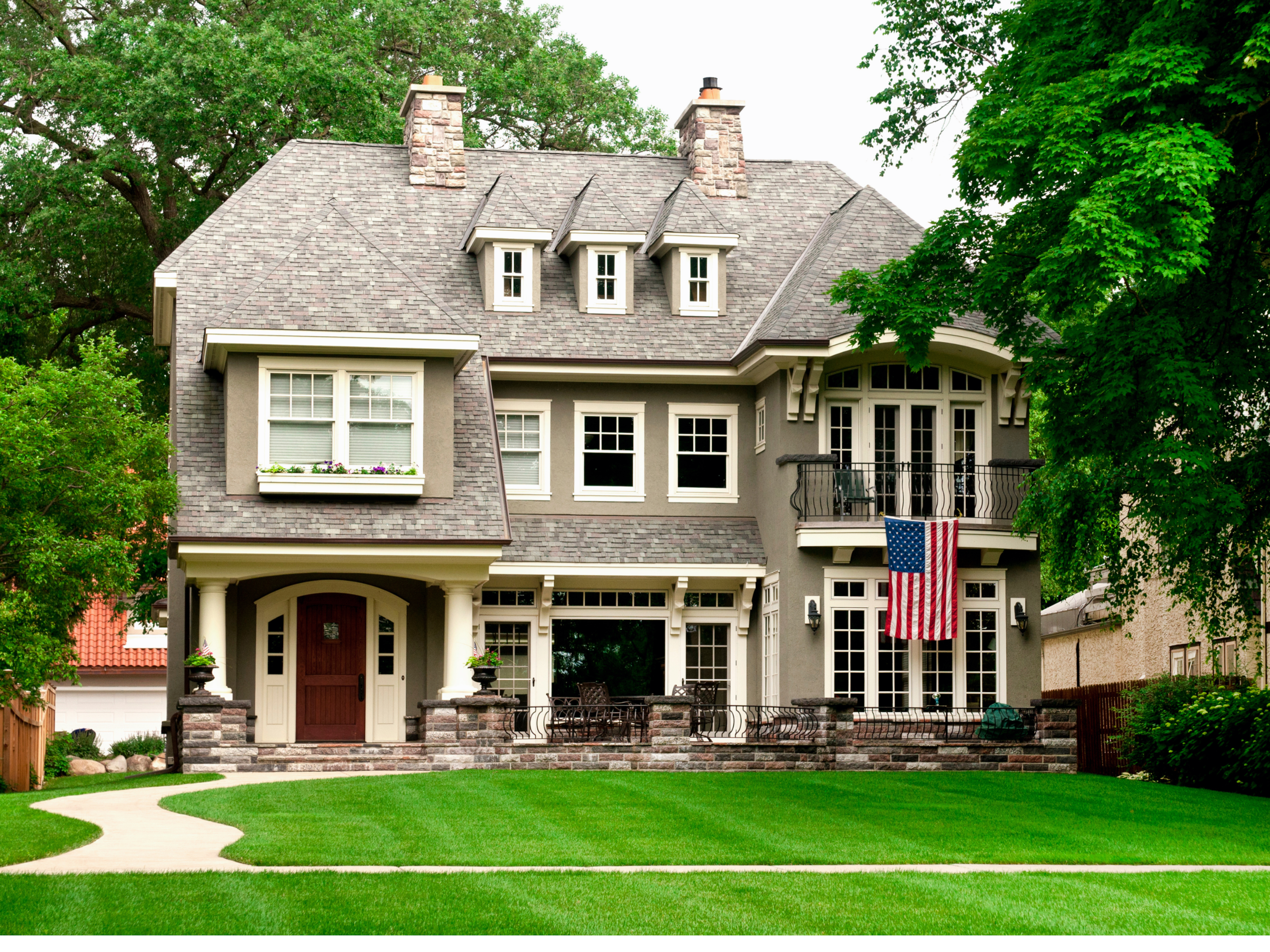
Ottawa Hills is where Toledo real estate prestige meets profitability. Known for its stately homes, tree-lined streets, and highly ranked school system, this Toledo real estate market caters to a discerning tenant base. While opportunities here are fewer due to limited inventory and zoning restrictions, the tight supply and strong demand make it a compelling market for real estate investors focused on high-quality, long-term holdings.
For those exploring investing in Toledo suburbs, Ottawa Hills stands apart as a unique niche. It offers consistent demand, long-term appreciation, and some of the most stable tenants in the region.
Rental Demand Indicators
The rental market in Ottawa Hills is competitive, with limited availability contributing to steady demand. As of recent data, the average rent is approximately $1,749 per month, about 15.3% lower than the national average of $2,065. However, this number fluctuates considerably based on the types of properties listed. Currently, there are only a handful of rental properties available, indicating a tight market that can benefit landlords with well-maintained, high-quality units.
Housing Stock and Property Types
Ottawa Hills predominantly features single-family homes, many of which are historic and architecturally significant. The village’s residential landscape is characterized by spacious lots, mature trees, and meticulously maintained properties. While the area lacks many multi-family units or townhomes, the existing housing stock appeals to renters seeking luxury accommodations with the charm of a well-established neighborhood.
Target Tenant Demographics
Ottawa Hills, OH, attracts a demographic that values education, safety, and community engagement. With a median household income of $177,656 and a population of approximately 4,796 residents, Ottawa Hills is home to professionals, executives, and families. The area’s top-rated school district and proximity to higher education institutions further enhance its appeal to families and academics alike. Investors in this area should prioritize homes that meet the demands of families.
Long-Term Appreciation Outlook for this Housing Market
The real estate market in Ottawa Hills has demonstrated resilience and consistent appreciation. As of November 2024, the median listing home price was $470,000, reflecting a 9.3% year-over-year increase. This upward trend underscores the village’s stability and the enduring demand for properties in the area. For investors, this suggests that well-maintained rental properties in Ottawa Hills can offer both reliable income and long-term capital appreciation.
How Toledo’s Suburbs Compare to the Urban Core Real Estate Market
For investors exploring the Toledo rental market, choosing between the urban core and the suburbs isn’t just about location; it’s about strategy. Each has a different risk/reward profile, particularly when it comes to monthly cash flow, long-term appreciation, and tenant turnover.
Cash Flow Potential vs. Appreciation
Suburban markets like Perrysburg, Sylvania, and Ottawa Hills have demonstrated stronger long-term appreciation than central Toledo neighborhoods. These areas attract higher-income tenants, benefit from top-ranked schools, and tend to see steady property value growth.
But that growth often comes with slimmer monthly margins.
While urban properties in Toledo typically generate stronger monthly cash flow due to lower acquisition costs, suburban investments can result in thinner margins, especially for newer investors who are highly leveraged. If you don’t enter with enough equity, there’s a real risk of negative cash flow, where mortgage payments, taxes, and operating costs exceed your rental income.
This can turn an otherwise sound investment into a financial burden because you’re playing a long game focused on appreciation and eventual equity build-up.
Turnover, Vacancy, and Stability of Rental Rates
City properties, especially those near downtown or the University of Toledo, often experience higher turnover, shorter lease lengths, and more seasonal vacancies. While this means more frequent tenant sourcing, it can also offer flexibility for rent adjustments.
Suburban properties tend to have longer lease terms and more predictable rent collections. Tenants stay longer and treat properties more carefully because they view them as their home, not just a house. This behavior reduces turnover costs and maintenance headaches.
Trends Shaping the Future of Suburban Rentals in Toledo
Toledo’s suburban markets aren’t just benefiting from national real estate shifts—they’re actively evolving in response to demographic, economic, and lifestyle changes, which real estate investors need to take notice of.
1. Remote Work Has Redefined Suburban Value
Remote work isn’t just a post-pandemic trend in the real estate market; it’s a structural shift. As more workers break free from daily commutes, suburbs like Sylvania, Maumee, and Perrysburg have become increasingly attractive for tenants who want space, affordability, and peace without sacrificing connectivity to Toledo’s employment hubs.
What makes Toledo suburbs particularly competitive in this trend is their affordability relative to larger metros. A remote worker moving from Columbus, Detroit, or Chicago can find significantly lower housing costs in Toledo’s suburbs without compromising quality of life. Unlike some cities where suburban commutes are necessary, many of Toledo’s suburbs are only 10–20 minutes from downtown, giving renters the best of both worlds.
For landlords, this means a more stable, better funded, and increasingly demanding tenant pool for high-quality rental space, especially homes with designated office areas or quiet, flexible layouts. They should target rental properties with finished basements, extra bedrooms, or layouts that support home offices. This strategy will lead to higher demand for professional and personal investors and may justify above-market rents in these areas.
2. Millennials Are Fueling a Suburban Renter Surge
Millennials are now the largest demographic of renters, and they are aging into family life. In the Midwest, that often means leaving the urban core in search of great school districts, private yards, and safer neighborhoods. In Toledo, suburbs like Sylvania and Perrysburg are absorbing that migration.
Unlike previous generations, many millennials are delaying homeownership due to high interest rates or uncertainty in the market. This creates a unique opportunity for suburban landlords: tenants who want the lifestyle of ownership but need more affordable housing are opting to rent.
What makes this trend significant in the Toledo real estate market is that the suburbs are still relatively affordable compared to suburban markets in other regions. Investors who get in early in these appreciating areas can lock in equity gains while benefiting from long-term tenants less likely to churn annually. Real estate investors should target 3–4 bedroom single-family homes in strong school districts with modest updates. Millennials value lifestyle and function over luxury and are willing to pay for location.
3. Growing Interest in Mixed-Use, Walkable Suburbs
Tenants no longer want to choose between the conveniences of urban life and the space of suburbia; they’re demanding both. That’s why walkable, mixed-use developments are beginning to take root in Toledo suburbs, particularly in Perrysburg and Maumee. Renters want to walk to schools, gyms, grocery stores, or trails. Municipalities are responding by adjusting zoning and approving more flexible developments that combine residential, commercial, and recreational uses.
This change in preferences creates long-term value for landlords: properties within or near walkable town centers see lower vacancy and better retention. Look for infill lots, up-zoned parcels, or properties adjacent to town centers and mixed-use development projects.
4. Suburban Renters Want Space But Also Flexibility
COVID shifted how renters think about “home.” It can now be a workspace, gym, classroom, and retreat. Suburban renters in Toledo are drawn to larger floor plans, outdoor spaces, and attached garages. This presents an opportunity for suburban landlords to compete not just on size but also on experience. Offering flexible leases, pet-friendly policies, or value-added amenities (smart thermostats, lawncare packages, home office furnishings) can be the difference between filling a vacancy and watching it linger.
City, Suburb, or Both? Investing in Toledo’s Housing Market with a Clear Strategy
Toledo’s suburbs aren’t replacing the city’s investment potential but complementing it. As tenant preferences evolve and work-life balance takes new forms, suburban rentals have become a smart addition to a well-rounded portfolio. Longer tenancy, lower turnover, and strong appreciation in areas like Perrysburg, Maumee, and Ottawa Hills can offer stability, especially when paired with the stronger cash flow often found in city neighborhoods.
For investors, the takeaway isn’t about choosing one over the other, it’s about understanding how each submarket fits your strategy.
At Oz Realty, we help investors unlock the full potential of opportunities in Toledo’s suburban rental market. From evaluating local rent comps to managing tenant retention and property upkeep, our experienced team works with landlords to maximize performance and peace of mind.
Ready to explore your next investment in the Toledo suburbs? Contact Oz Realty today, and let’s build a strategy that fits your goals, whether it’s cash flow, appreciation, or a portfolio that does both.


