

In Toledo, every season takes a swing at your rental property. Winter brings ice and snow that strain the roof. Spring rains find their way into basements. Summer humidity pushes HVAC systems to their limit. Ohio weather never lets up, and your investment pays the price if you’re not prepared.
The damage goes beyond repair bills. It shows up in late-night emergencies, tenants who lose patience, and lost rent when a unit isn’t livable. That’s why weather-proofing isn’t a box to tick once a year, it’s the backbone of smart, year-round property management in Toledo.
This guide will walk you through the seasons step by step, showing you how to protect your property from Ohio’s toughest conditions, keep tenants satisfied, and know when it’s time to lean on a local property management team to safeguard your income and peace of mind.
The Cost of Ignoring Weather Maintenance
Toledo’s weather brings it all: rain, snow, humidity, ice, and freeze-thaw cycles that wear down properties year after year. These conditions put real strain on your rental property, from the roof to the foundation. Whether you’re managing on your own or partnering with a property manager, consistent upkeep is critical to protect your investment and keep tenants satisfied.
How Rental Property Damage Adds Up Quickly
Without proper weather-proofing, your rental property becomes vulnerable to damage that hits both your bottom line and tenant satisfaction. Here’s what local property damage could cost you in 2025:
- Emergency plumbing repairs in Toledo typically range from $107 to $776, with the average repair costing about $383. A burst pipe could flood an entire unit and result in thousands in water damage.
- Roof repairs vary widely depending on materials and complexity. Most roofers charge between $400 and $4,000 per square, averaging around $700. Even a minor leak can lead to structural rot and mold growth.
- Foundation crack repairs cost between $250 and $800, but more serious structural shifts can exceed this, especially if left unresolved through freeze-thaw cycles.
- HVAC repairs cost around $350 on average, but major breakdowns during extreme weather can run from $100 to $2,000 or more. A failed furnace or A/C system can create legal issues if it disrupts habitability.
Property Maintenance Saves You More Than Money
Experienced property managers and long-term landlords understand that proactive maintenance protects more than just bricks and mortar. It helps preserve rental income, reduces turnover, and improves the tenant experience.
Routine property maintenance also minimizes service disruptions that can complicate rent collection, delay payments, or trigger disputes over grace periods. For those managing multiple units or owning from out of state, a reliable management company becomes even more important.
Long-Term Protection for Your Investment Property
If you treat real estate as a serious investment property, then maintenance planning should be part of your strategy, not a reactive scramble. Emergencies not only strain your budget but also interrupt cash flow and invite liability. Weather-proofing helps protect your income stream, maintain steady rent receipts, and ensure tenant satisfaction. And when you partner with a seasoned property manager or management company, you can stay focused on growing your portfolio while they handle the day-to-day.
Spring: Inspection and Water Management
Spring in Ohio weather is your signal to assess winter wear and prevent water-related issues. Melting snow and spring rains can expose hidden damage, making this season vital for rental property maintenance and long-term asset protection. Here are early inspections to protect both the property and your rental income:
- Inspect Roof, Gutters, and Downspouts for Winter DamageHeavy snow, ice, and wind can loosen shingles and clog gutters. Clear debris and check drainage to prevent water damage and reduce the risk of insurance coverage claims for leaks and structural rot.
- Check Grading and Drainage to Prevent Basement FloodingWalk around the property to ensure water drains away from the foundation. Regrade soil or install drainage where needed. This step is essential to avoid mold and water intrusion, two common and costly maintenance issues.
- Clean Out Debris Around the Foundation and LandscapingBuilt-up leaves and debris near the foundation attract pests and trap moisture. Cleaning these areas protects the property and also improves curb appeal for any prospective tenant or upcoming rental application.
- 4. Service HVAC System Before A/C Season BeginsRoutine HVAC service keeps systems efficient and compliant with local ordinances on tenant habitability. It also reduces repair requests and helps ensure consistent rent collection by keeping tenants satisfied.
- Create and Use a Spring Maintenance ChecklistWork with property managers or trusted vendors to create a repeatable seasonal checklist. Track all inspections and use this opportunity to document a spring walk through of each unit, helping ensure nothing slips through the cracks.
Summer: Tenant Comfort and Heat Prep
Summer in Toledo means heat, storms, and tenant expectations for comfort. Preparing for this season means keeping systems efficient and communication open, key strategies that support your rental income and protect your reputation as a responsible landlord. These steps also make your property more appealing to the right tenant, especially if you’re navigating a turnover or lease-up season:
- Inspect and Seal Windows and DoorsUnsealed windows and doors waste energy and overwork HVAC systems. Address these areas now to improve cooling efficiency, reduce complaints, and support your building’s energy performance, all of which impact long-term profitability.
- Service or Replace A/C Units and FiltersSchedule a seasonal HVAC check-up with a trusted vendor. A functioning cooling system ensures tenant satisfaction and keeps you compliant with local laws. It’s also a simple way to avoid mid-season breakdowns and protect your landlord insurance standing.
- Perform Exterior Pest PreventionWarmer months increase pest activity. Treat perimeters, seal entry points, and maintain clear landscaping to avoid infestations, especially important in attracting quality tenants.
- Trim Trees to Prevent Summer Storm DamageTree limbs can snap during storms and damage roofs, power lines, or vehicles. Trim back overhanging branches to reduce your liability and preserve the structural safety of the property.
- Respond Quickly to Heat-Related Maintenance CallsHVAC failures in extreme heat can cause discomfort, lease disputes, and even legal issues. Ensure your maintenance team or management company has a clear process for prioritizing urgent calls and communicating updates through online payments portals or maintenance platforms.
Fall: Prevention Before the Freeze
Fall is the most important prep season for winter in Ohio weather. As temperatures drop and daylight hours shorten, you must complete essential seasonal tasks to safeguard their properties. When done right, rental property maintenance in the fall helps reduce emergency calls, lower repair costs, and keep tenants satisfied during the toughest season of the year. Here are the core landlord tips to prepare your investment property before the first freeze sets in:
- Clean Gutters and Downspouts Before Leaves Freeze in PlaceFalling leaves can quickly clog gutters, leading to standing water and ice dams that damage roofs and siding. Clear all debris and inspect downspouts to make sure water flows freely away from the foundation. This simple task prevents major property damage and supports both habitability and long-term asset protection.
- Check Attic Insulation and VentilationProper insulation helps maintain indoor temperature and reduces heating costs. At the same time, ventilation prevents moisture buildup that can cause mold growth. A poorly insulated attic increases the risk of frozen pipes, uneven heating, and tenant complaints that turn into repair requests.
- Winterize Exterior Spigots and Sprinkler SystemsBefore the first hard freeze, shut off and drain all outdoor faucets, irrigation lines, and sprinkler heads. Attach covers to spigots and insulate exposed piping to avoid frozen or burst pipes. This step is a staple of routine maintenance, especially for multifamily units where water lines may be more exposed.
- Test and Service Furnace and Heating SystemsSchedule professional servicing to inspect the furnace, replace filters, and confirm safe, efficient heating. Catching issues now helps you avoid system failures during peak cold. Whether you’re managing directly or through a property manager, this is non-negotiable for tenant comfort and legal compliance under local ordinances and landlord insurance policies.
- Caulk Cracks in Siding, Brickwork, and FoundationInspect the exterior and seal any visible gaps or cracks. This prevents warm air from escaping and pests from entering. It also protects your property from costly structural issues down the line. Make this part of your standard rental property maintenance walkthrough each fall.
- Send Tenants a Seasonal Notice About Keeping the Heat OnOne of the most overlooked landlord tips is a simple reminder. Send tenants a fall notice instructing them to maintain a minimum heat setting even if they’re traveling. Most pipe freeze incidents happen in vacant or underheated units. Providing clear expectations helps prevent unnecessary damage and disputes during the grace period.
Winter: Avoid Emergency Calls and Major Damage
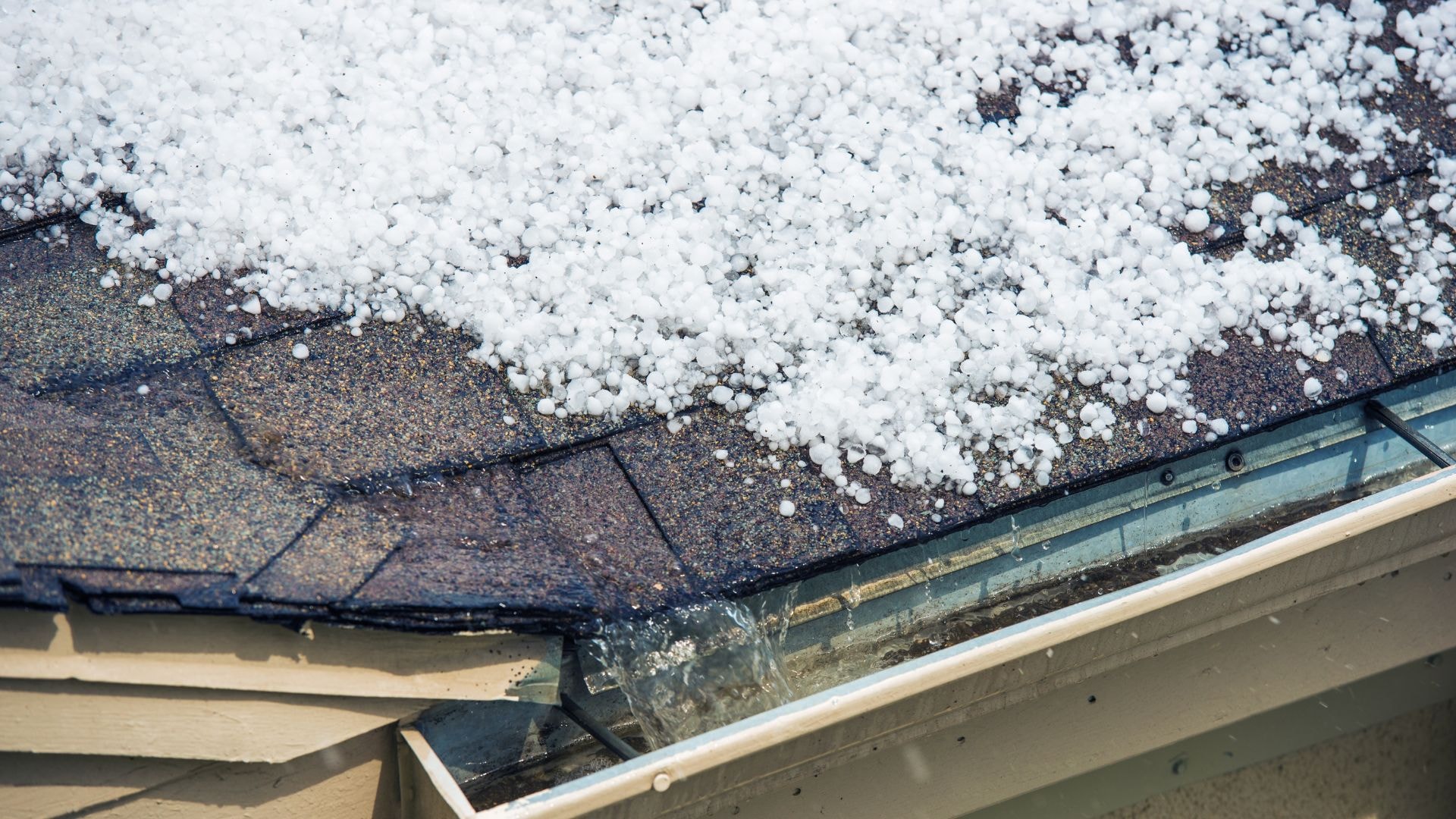
Winter is the most demanding season for property maintenance in Ohio weather. Cold temperatures, ice buildup, and heavy snowfall all pose serious risks to both your physical asset and tenant safety. The best defense is a solid prevention plan that minimizes emergencies and reduces liability.
Whether you self-manage or partner with a Toledo property management company, these winter landlord tips are essential for protecting your property and maintaining tenant satisfaction, these include:
- Prevent Frozen Pipes with Insulation and Faucet DripsInsulate exposed pipes and advise tenants to keep a slow drip running during deep freezes. Most frozen pipe emergencies occur in underheated units or vacant rooms. Prevention here saves thousands in water damage and limits claims on your insurance coverage.
- Prepare an Emergency Access Plan for Snow and IcePlan ahead for heavy snowfall. Coordinate with snow removal services and provide tenants with emergency contacts. This is especially important for multifamily buildings or properties with shared entries, where blocked access creates safety issues.
- Prevent Ice Dams and Manage Roof Snow LoadsClear roof edges regularly and ensure attic ventilation is functioning. Ice dams form when heat escapes the roof, melts snow, and causes water to refreeze under shingles, leading to interior leaks and mold. For large portfolios, consider working with property managers to inspect after major storms.
- Clear Walkways and Apply Salt or SandSlips and falls on untreated walkways are one of the top winter legal issues landlords face. Use salt, sand, or de-icer and confirm your lease outlines who’s responsible especially in single-family homes. This step is often tied to requirements under local laws and impacts landlord insurance claims.
- Check Furnace Filters During Peak UsageFurnace strain increases during continuous cold spells. Replace filters monthly and inspect for system errors. A failed unit not only impacts tenant comfort but also your ability to meet habitability standards, leading to missed rent collection or worse, uninhabitable space.
- Test Smoke Detectors and Emergency AlarmsHeating systems, space heaters, and fireplaces elevate fire risk in winter. Check smoke detectors and carbon monoxide alarms in every unit. This isn’t just best practice, it’s required under local ordinances and most landlord insurance policies.
Communicating With Tenants About Weather Responsibilities
Great property management starts with clear communication. When tenants know what you’ll handle and what’s theirs to manage, you avoid confusion, prevent property damage, and build stronger landlord-tenant relationships.
Define Responsibilities Clearly
Every lease should spell out who’s responsible for what. Under Ohio law, landlords must handle major systems like HVAC and structural repairs. Tenants are typically responsible for keeping the unit clean, reporting issues promptly, and avoiding negligence. Cover these points during the rental application process and reinforce them again during move-in.
Share a Seasonal “Weather Guide”
A quick-reference guide goes a long way. Include tips like:
- Set thermostats to 55°F or higher during freezing weather
- Leave faucets dripping to prevent frozen pipes
- Keep vents and air returns unobstructed
If you use a Toledo property management company, ask them to deliver this at move-in or with seasonal reminders.
Make It a Team Effort
Tenants appreciate being kept in the loop. A simple email or text reminder before a snowstorm or deep freeze builds trust and improves cooperation. Encourage them to report drafts, water pressure drops, or any signs of maintenance issues early.
Provide 24/7 Emergency Contacts
Make it easy for tenants to reach you or your property managers, when something goes wrong. Include contacts for power outages, plumbing emergencies, or heat loss in your welcome packet or tenant portal.
When to Call in the Pros: Toledo Property Management
Even the most committed landlord can’t be everywhere. When seasonal tasks start piling up, or managing tenant requests becomes overwhelming, it’s time to bring in the pros. A reliable Toledo property management partner protects your time, your property, and your profitability, especially when the weather turns harsh.
Professional support is especially valuable for out-of-state owners, multi-unit landlords, or anyone looking to scale their real estate portfolio without burning out. A great property manager can handle:
- Preventative inspections to catch issues before they become costly
- 24/7 emergency response for urgent weather-related calls
- Scheduling with trusted vendors for HVAC, roofing, and snow removal
- Timely tenant communication and coordination
- Year-round rental property maintenance that reduces liability and increases tenant satisfaction
Ohio weather is tough on rentals, but with the right local team, you’re always one step ahead.
Don’t let the seasonal weather chip away at your returns. Oz Realty helps real estate investors with everything from collecting rent and tenant screening to handling inspections, emergencies, and maintenance, so your rentals stay protected, profitable, and hassle-free year-round. Contact Oz Realty today and discover how full-service property management can keep your rental business running smoothly in every season.


