

If you’re a landlord in Toledo, you’re likely familiar with the standard rental model: sign a lease, collect monthly rent, and manage the property until the tenant moves on. But as the market evolves, so do the strategies available to savvy property owners.
Rent to own in Toledo is emerging as a smart alternative rental model. It combines steady rental income with the long-term potential of a property sale. For landlords, it can serve as both a cash-flow solution and a future exit plan. For tenants, it offers a path to homeownership.
Toledo’s affordability makes this model especially viable. The city’s pricing allows tenant-buyers to realistically follow through, while landlords can attract stable renters with a vested interest in the home.
In this article, we’ll break down the benefits, risks, and key considerations of rent-to-own. Whether you’re managing one unit or growing your property investment in Toledo, you’ll learn how to use this model effectively.
What Is Rent-to-Own And How Does It Work?
A rent-to-own agreement is a lease contract that gives the tenant the opportunity, or in some cases, the obligation, to purchase the property after a set period. This model combines elements of both renting and buying, offering more flexibility for both landlords and renters looking to become future homeowners.
Under this structure, the tenant lives in the property like any other renter, but has the added benefit of locking in a purchase agreement. Here are the key components you need to know:
- Option Fee: An upfront, non-refundable payment that gives the tenant the right to buy the home later. This fee typically ranges from 2-7% of the agreed purchase price and is often credited toward the down payment if the tenant buys.
- Rent Credits: A portion of each monthly rent payment can be applied toward the purchase price. These credits serve as an incentive for the tenant to follow through with the purchase.
- Purchase Price: Usually set at the beginning of the lease term. Locking in this price can benefit both parties; tenants get price certainty, while landlords can forecast their return on investment.
- Timelines: Most rent-to-own contracts run from one to three years, giving tenants time to build credit, save for a down payment, or secure financing.
It’s also important to distinguish between the two main types of rent-to-own contracts:
- Lease-Option: The tenant has the right, but not the obligation, to purchase the home at the end of the lease.
- Lease-Purchase: The tenant is legally obligated to buy the property when the lease ends, which can introduce more legal risk if financing falls through.
Why Some Toledo Landlords Offer Tenant Buyer Options
For property owners who want more control, steadier income, and a long-term plan for their investment, rent-to-own can offer a compelling alternative. Offering tenant buyer options creates a leasing experience that combines steady rental income with the potential for a future sale. It also helps reduce some of the common friction landlords face when managing traditional rentals. Here’s why more landlords are turning to this approach as part of their alternative rental models and long-term property investment in Toledo.
Longer Leases Mean Less Turnover
Tenants entering rent-to-own agreements are typically in it for the long haul. Unlike traditional renters, they have a personal and financial interest in the property. This often leads to lease terms that last two to three years or more, reducing vacancy periods and lowering the costs associated with frequent tenant turnover.
A Built-In Exit Strategy
If you own an older property that is harder to sell outright, rent-to-own can serve as a practical exit plan. This approach allows landlords to generate rental income now while working toward a future sale, even for properties that might not qualify easily for traditional financing. It’s especially effective in neighborhoods where demand is steady, but resale conditions are more complex.
Less Hands-On Maintenance
When tenants see the home as their future investment, they tend to treat it differently. Many rent-to-own agreements shift some maintenance responsibilities to the tenant. This not only reduces the landlord’s workload but also encourages better property care. Some landlords also use this arrangement to ease the burden of minor repairs that would otherwise fall to them under a standard lease.
Upfront Fees and Higher Rents Offer Security
To help balance the risk, landlords typically collect a non-refundable option fee at the start of the agreement. Monthly rents may also be set slightly above market value, creating an added layer of financial security. These measures can protect the owner if the tenant chooses not to buy or fails to qualify for a mortgage at the end of the lease. In the meantime, the property can remain listed as a rental, preserving flexibility.
Strong Fit for Transitional Neighborhoods
Toledo’s working-class and transitional areas often offer the best opportunities for this model. These communities attract renters who are motivated to buy but face challenges with credit or down payments. As part of a well-planned property investment in Toledo, rent-to-own can help landlords find committed tenants and gradually move toward a profitable sale.
What Makes Rent-to-Own Appealing to Tenants
Not every renter wants a temporary living situation. Some are actively searching for a way to own a home, but simply aren’t there yet financially. Rent to own in Toledo offers a path forward, allowing tenants to move in now while working toward homeownership on a clear timeline. Here’s why tenant-buyers are often drawn to this option:
- Ownership without needing a mortgage up front
Tenants can move in and start building toward ownership without needing to qualify for a loan immediately. This gives them time to stabilize income, reduce debt, or build a credit history that will support financing later. - Time to build savings and credit
Most tenant-buyers choose rent-to-own because they either don’t have a down payment saved or don’t meet conventional lending requirements. The lease period gives them time to prepare financially, without losing the chance to eventually own the home they’re already living in. - Locked-in purchase price
One of the biggest motivators is price security. The tenant knows upfront what they’ll pay for the property at the end of the lease. In a rising market like Toledo, this can translate into built-in equity if home values increase during the lease term.
These tenant buyer options tend to attract renters who are committed and forward-thinking. For landlords, that means longer leases, fewer vacancies, and tenants who treat the property with greater care.
Risks of Offering Rent-to-Own in Toledo that Landlords Need to Watch For
While rent-to-own in Toledo can offer long-term advantages, it’s not without potential pitfalls. Like any investment strategy, success depends on how well the deal is structured, managed, and enforced. Landlords considering this model need to be aware of the risks that come with offering tenant buyer options and take steps to mitigate them.
Tenants May Walk Away After Years of Payments
Not every rent-to-own agreement ends in a sale. Even after making rent payments for several years, a tenant can choose not to purchase the home when the lease ends. While the option fee and any rent credits are typically non-refundable, landlords are still left with a vacant property to re-list and maintain. That means starting the process over again with a new tenant or buyer, which can lead to income gaps.
Legal Complexity Requires a Detailed Contract
A rent-to-own deal is far more complex than a standard lease. It must clearly outline the terms of the future sale, payment structure, responsibilities, and exit clauses. Without a legally sound agreement, both parties are exposed to unnecessary risk. Landlords should work with a local real estate attorney to draft or review the contract to ensure it complies with Ohio laws and protects their investment.
Maintenance Responsibilities Can Get Confusing
One common issue with rent-to-own agreements is unclear maintenance expectations. Tenants may believe they are responsible for all repairs, while landlords may assume they are still in charge of major fixes. Without clearly defined roles, this can lead to disputes or deferred maintenance that hurts the property’s value. Spell everything out in writing from the beginning to avoid miscommunication.
Financing Can Fall Through at the Finish Line
Even motivated tenant-buyers can hit financing roadblocks when it’s time to finalize the sale. If they fail to qualify for a mortgage, years of planning and rental income can suddenly unravel. While you keep the non-refundable fees, you may still lose valuable time and have to start over with a new prospect.
Risk of Underpricing the Property Over Time
Locking in a purchase price too early can cost you down the road. If market values in Toledo rise significantly over the lease period, you could end up selling below the current market value. This is especially risky in neighborhoods experiencing growth or revitalization. Smart property investment in Toledo means projecting potential appreciation and pricing the future sale accordingly.
Toledo’s Market: Is Rent-to-Own a Good Fit Here?
Yes, rent-to-own in Toledo can be a smart strategy if it fits the right neighborhoods and property types. Toledo’s relatively low home prices make it one of the few markets where tenant-buyers actually have a realistic chance of completing the purchase. That affordability makes this model more viable and less risky for landlords. Rent-to-own works best for:
- Older single-family homes that may not qualify for traditional financing right away
- C+ or B-grade neighborhoods, where tenants are stable but often face credit or lending challenges
- Owners who want to exit gradually, allowing time to earn rental income while preparing the home for eventual sale
However, this model isn’t a fit for every property. Homes in high-turnover areas, luxury properties, or units in markets with weak buyer demand may not perform well under rent-to-own terms. Every property investment in Toledo should be evaluated on a case-by-case basis.
When applied thoughtfully, rent-to-own offers security, tenant stability, and a strategic way to move a property off the rental market without needing to have it listed for a traditional sale right away.
How to Structure a Smart Rent-to-Own Agreement
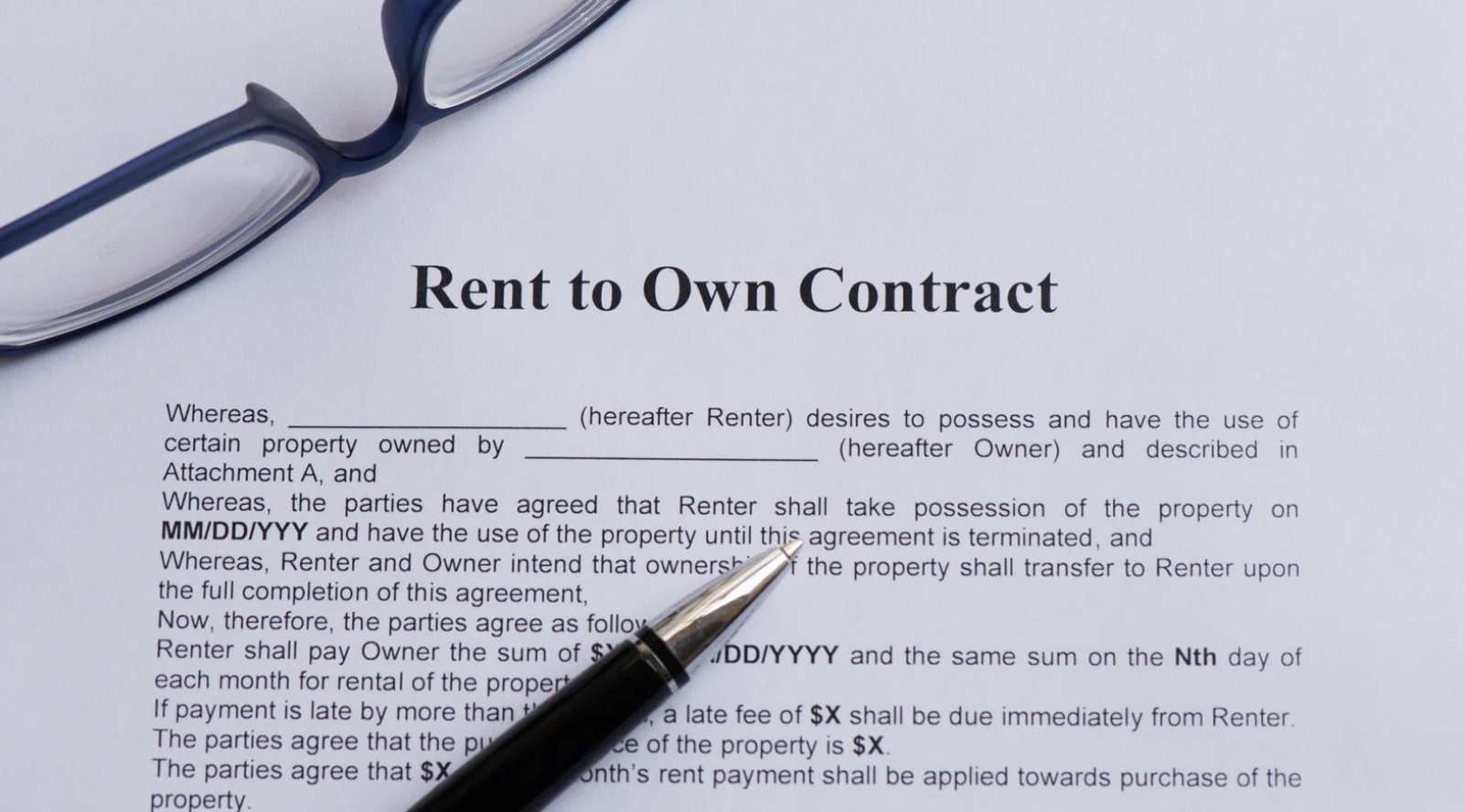
Creating a successful rent-to-own agreement requires more than just a handshake and a lease addendum. To protect both your property and your investment, every detail needs to be clearly documented from the start. Here’s how to structure a deal that works within alternative rental models and attracts qualified tenant buyer options:
- Set an option fee and explain its purpose
Charge an upfront option fee, usually between 2 and 7% of the purchase price. This non-refundable payment secures the tenant’s right to buy and shows serious intent. - Define monthly rent credits
Clearly outline what portion of each rent payment will count toward the purchase price. Rent credits offer an incentive for tenants to follow through and help them build equity while renting. - Establish a realistic purchase price
Agree on a purchase price at the beginning of the lease. This should reflect the current market value along with any projected appreciation during the lease period. - Choose an appropriate lease term
Terms typically range from 1 to 3 years. This gives tenants time to improve their credit or secure financing without dragging out your exit plan. - Clarify maintenance obligations
Specify who handles repairs and upkeep. Avoid assumptions to prevent disputes later. - Include clear exit clauses
Spell out what happens if the tenant decides not to buy. Address forfeited fees, timelines, and property condition expectations.
Finally, screen applicants thoroughly. When offering tenant buyer options, careful screening is just as critical as it is for any long-term lease.
Is Rent-to-Own the Right Move for Your Strategy?
Yes, rent-to-own can be a smart addition to your investment strategy if it aligns with your goals, property type, and target tenant base. For many landlords in Toledo, this model provides a flexible way to generate income, reduce turnover, and gradually transition a rental into a sale.
When executed properly, rent-to-own in Toledo offers multiple advantages. It attracts committed tenants, adds stability to your portfolio, and gives you time to plan your exit from a property. This is especially effective in working-class neighborhoods, with older homes, or in situations where traditional selling isn’t the best option.
Like any real estate strategy, it involves some risk. Clear documentation, thorough screening, and legal support are essential to making it work. It’s not a one-size-fits-all solution, but it can be a powerful tool when paired with the right property and tenant profile.
If you’re considering alternative rental models, such as rent-to-own, or looking to diversify your property investment in Toledo, Oz Realty offers full-service property management and deal structuring support for alternative rental models. We’ll help you attract qualified tenant-buyers, stay compliant, and protect your investment.


