

Even great properties generate complaints. Whether it’s a noisy neighbor or a slow maintenance request, minor issues—left unresolved—can grow into serious disputes. And in a competitive rental market like Toledo, poor service is the fastest way to lose quality tenants.
This article explores seven frequent tenant concerns and outlines proven tenant satisfaction strategies for resolving tenant disputes while reducing turnover, protecting your investment, and creating a more positive rental experience for everyone involved.
Complaint #1: Slow or Incomplete Maintenance Requests
Maintenance is a key driver of tenant satisfaction. When repairs are delayed or poorly handled, tenants notice—and often leave. Slow or incomplete repairs remain one of the most common rental complaints. And while some issues are unavoidable, how they’re handled determines whether a minor inconvenience turns into a major disruption to your rental income and reputation.
Why Tenants Complain
Tenants expect timely responses, clear communication, and quality service. Here are the most common triggers behind maintenance-related complaints:
- Long delays in resolving work orders.
When tenants wait days—or even weeks—for basic repairs, it signals poor management and a lack of urgency. Unresolved complaints are the leading edge of turnover, which is why the retention playbook that turns complaint patterns into longer leases starts with response time, not perks. - “Band-aid” fixes that don’t last.
Quick, temporary repairs might buy time but often lead to repeat issues. For tenants, repeated disruptions reflect a lack of commitment to proper property maintenance and long-term livability. - Lack of updates or follow-through.
When tenants don’t receive status updates, they feel ignored—undermining the landlord-tenant relationship and overall tenant satisfaction.
These experiences send a clear message that tenant comfort and safety aren’t a priority—and suggest the landlord is not committed to preserving the integrity or long-term property value.
Solutions That Work and Create Positive Tenant Relationships
Maintenance issues are bound to happen—but tenant dissatisfaction doesn’t have to follow. The key to resolving tenant disputes quickly and maintaining strong relationships lies in having proactive systems and clear expectations. Here are a few proven strategies that make a measurable difference:
- Implement an online maintenance portal.
Digital platforms offer transparent, trackable repair workflows and reassure tenants their requests are being handled. - Set clear response timelines.
Address emergency issues within 24 hours and non-urgent repairs within three business days. Defined timelines reflect responsive property management. - Partner with dependable vendors.
A reliable vendor network ensures timely, quality repairs—supporting tenant trust and scalable rental property operations. - Conduct quarterly preventive maintenance checks.
Proactive inspections reduce breakdowns, demonstrate landlord diligence, and help encourage lease renewals through better service consistency.
Complaint #2: Poor Communication or Unresponsive Management
Poor communication is one of the fastest ways to lose tenants. When landlords don’t respond quickly or clearly, even minor issues can escalate—damaging trust, increasing turnover, and impacting rental income.
What Tenants Experience
Tenants expect transparency and responsiveness. Without it, tenant frustration builds fast. The most frequent complaints include:
- No response to emails, texts, or voicemails
- Confusion about lease agreements, rent due dates, or property rules
- Unclear steps for escalating unresolved concerns
These gaps make tenants feel ignored, which can escalate simple requests into formal disputes. Inconsistent communication creates instability, ultimately affecting tenant retention and the overall health of your rental property.
Tenant Satisfaction Strategies: How to Improve Communication
Strong communication is a hallmark of successful property management and central to improving landlord services. To build trust and maintain a positive landlord-tenant relationship, implement the following best practices:
- Offer multiple contact options.
Let tenants reach out via text, phone, email, or an online portal—flexibility ensures better engagement and faster responses. - Respond within 24 hours—even if only with a status update.
Timely replies—especially for maintenance or billing concerns—show professionalism and help resolve tenant disputes before they escalate. - Use automated responses to confirm receipt of communication.
Tenants feel more confident when they know their message has been received. An automatic reply with a next-step timeline builds trust and sets expectations. - Host a welcome call or video at the start of each lease.
Introduce your team, review key lease terms, and outline communication protocols. This one proactive step can prevent misunderstandings and reduce unnecessary inquiries throughout the lease term.
Complaint #3: Noise Issues from Neighbors
Noise is one of the most disruptive and emotionally charged common rental complaints. Unlike maintenance issues or lease confusion, excessive noise affects a tenant’s daily comfort. If not addressed promptly, it can lead to tenant turnover—even among otherwise satisfied residents.
What Triggers This Complaint
Most noise issues stem from building design or tenant behavior. Common causes include:
- Thin walls or outdated soundproofing in older Toledo rental properties
- Loud music, parties, or heavy footsteps
- Lack of response from the landlord or property manager
Without clear policies and enforcement, tenants may feel their concerns are ignored—damaging the landlord-tenant relationship.
How to Handle Tenant Concerns Without Escalating Conflict
Successful landlords balance tenant privacy with clear, enforceable noise standards. Here are a few proven strategies that help prevent tension from turning into turnover:
- Include noise clauses and quiet hours in the lease.
Set clear expectations—such as quiet hours from 10 p.m. to 7 a.m.—to give both you and your tenants a framework for enforcement. - Respond promptly and keep written documentation.
Timely, professional responses show tenants their concerns are being taken seriously and support compliance with landlord responsibilities. - Issue neutral, written notices to the offending party.
Focus on the behavior, not the individual, to de-escalate tensions and maintain professionalism. - Offer mediation or lease transfers in severe cases.
When noise persists, these solutions help preserve both tenancies and the overall peace of the community.
Complaint #4: Safety and Security Concerns
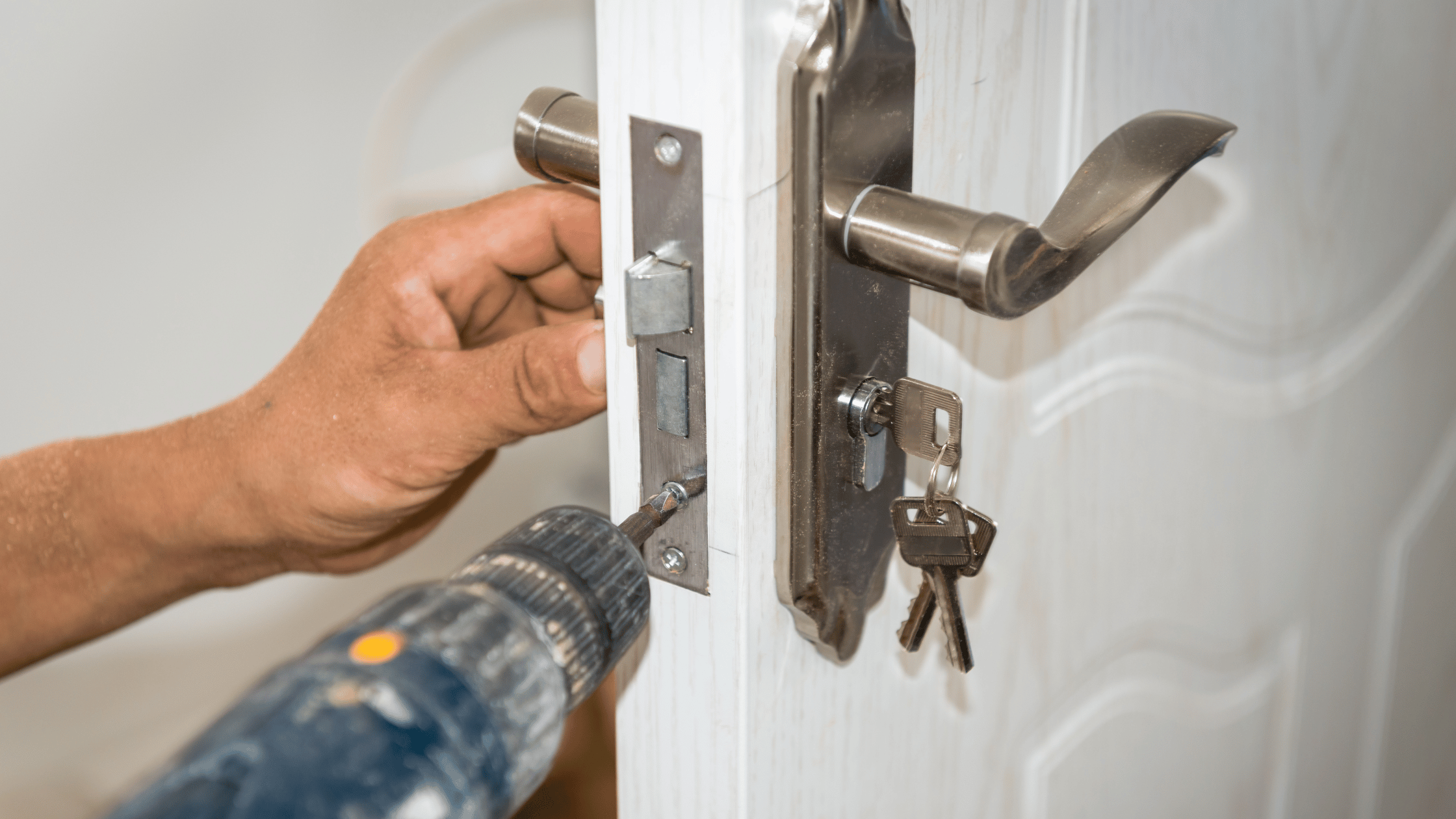
Nothing drives tenants away faster than feeling unsafe in their own home. While aesthetics and amenities can attract new tenants, it’s the perception of safety that keeps them there.
What Tenants Worry About
Tenants are quick to raise concerns when they feel their personal safety or property is at risk. The most frequent issues include:
- Dimly lit hallways, stairwells, or exterior walkways
- Entryways with compromised security, such as broken door or window locks
- Suspicious activity near entrances, garages, or parking areas
Even the perception of risk can result in withheld rent, negative reviews, or early move-outs. In more serious cases, poor property maintenance that leads to break-ins or injuries can expose property owners to legal liability and harm the property value.
Addressing Tenant Concerns About Safety Fast
Landlords must treat safety complaints with urgency. A responsive, structured approach not only ensures compliance with local codes but also reassures tenants that their wellbeing is a top priority while improving landlord services and property standards. Here are some of the best practices for a safe living environment:
- Install motion-sensor lighting and high-security locks.
Well-lit common areas and reinforced locks are two of the most effective, low-cost deterrents to crime. - Conduct property-wide safety audits every six months.
Routine inspections of lighting, lock systems, entrances, and surveillance areas can catch vulnerabilities before they become serious problems. - Partner with local law enforcement for crime data and prevention strategies.
Working with neighborhood patrols or community policing programs gives landlords insight into local trends and allows for faster response times if issues arise. - Communicate improvements clearly and consistently.
Send email updates, post notices in common areas, or mention upgrades during lease renewals. Tenants are more likely to feel safe—and stay longer—when they see management actively working to protect them.
Complaint #5: Pest Infestations
In Toledo’s older housing stock—particularly multifamily units, duplexes, and early 20th-century homes—pest infestations are a reality that property owners cannot afford to ignore. Roaches, mice, ants, and seasonal pests often thrive in buildings with shared walls, aging infrastructure, and outdated insulation. For landlords, proactive pest control is essential to ensure a safe, habitable environment and protect tenant satisfaction.
What Causes It
Even well-maintained properties can develop pest problems. However, these issues are often accelerated by preventable conditions such as:
- Unsealed entry points around pipes, windows, and crawlspaces
- Missed trash collection or overflowing garbage areas
- Water leaks that create damp environments attractive to pests
- Shared basements, attics, or wall cavities in multifamily setups
These environments become ideal for infestations to spread from unit to unit, especially when left unaddressed.
How to Respond Proactively
Toledo landlords must adopt a preventive, portfolio-wide approach to pest control—not a reactive one. The following strategies help minimize complaints, reduce health risks, and maintain tenant confidence:
- Set up quarterly pest control services for all units.
Preventive treatments reduce the risk of widespread infestations and demonstrate a commitment to ongoing property maintenance. - Include pest control expectations in the comprehensive lease agreement.
Clearly define tenant responsibilities related to cleanliness, food storage, and timely reporting. This creates shared accountability and supports a more hygienic living environment. - Respond to pest reports within 24–48 hours.
Swift action communicates that tenant health and comfort are priorities. Delays can lead to escalating issues and may violate landlord responsibilities under state or local housing codes. - Offer move-out pest inspections as an optional service.
Conducting a final inspection helps prevent disputes over responsibility, ensures proper treatment before new tenants arrive, and supports thorough tenant screening for future leases.
Complaint #6: Confusing or Unclear Move-In/Move-Out Processes
The move-in and move-out experience is one of the most critical touchpoints in the tenant lifecycle. It sets the tone at the start of the lease and determines whether tenants leave satisfied—or frustrated.
Where It Goes Wrong
Most frustrations arise from preventable miscommunication. These are the most common sources of tenant dissatisfaction:
- Tenants are unsure what condition the unit should be in upon move-out
- Security deposit deductions seem arbitrary or excessive without documentation
- No clear guidance is provided on deadlines for returning keys or shutting off utilities
These gaps create confusion, delay turnovers, and increase the likelihood of disputes—often leading to negative reviews or deposit-related legal claims.
What to Do Instead
Establishing a standardized, transparent process helps eliminate misunderstandings and protects both the landlord and the tenant. Here’s how to streamline your approach:
- Provide a detailed checklist at both move-in and move-out.
This document should outline expectations for cleanliness, maintenance, and any items that need to be returned. A checklist sets the standard and reduces ambiguity. - Use digital documentation to protect both parties.
Photographs and video walkthroughs taken at move-in and move-out provide clear evidence of the unit’s condition. This documentation is invaluable if questions about damage or wear arise later. - Clearly state security deposit timelines and deductions in writing.
Ohio law requires that deposits be returned or itemized within 30 days. Outlining this process—and any potential deductions—builds transparency and trust. - Schedule a pre-move-out walkthrough 1–2 weeks before the lease ends.
This gives tenants an opportunity to address issues before final inspection, reducing the chance of withheld funds and smoothing the transition for incoming residents.
Complaint #7: Rent Increases Without Explanation
Rent increases are one of the most sensitive topics for tenants. Even when justified, raising rent without context or warning is a frequent source of tension—and a leading cause of tenant turnover. For landlords, how the increase is communicated matters as much as the amount.
Why Tenants Push Back
Resistance to rent increases often has less to do with the dollar amount and more to do with how—and when—the message is delivered. Common tenant frustrations include:
- Not understanding what has changed—no explanation of rising costs, upgrades, or market trends
- Feeling blindsided, especially if the timing appears opportunistic or inconsiderate
- Believing the increase isn’t aligned with the current level of property maintenance or services provided
Failing to align with tenant expectations during a renewal period often leads to dissatisfaction, negative reviews, and unnecessary vacancies—hurting the long-term viability of your rental property.
How to Handle It Transparently
A rent increase, when properly communicated, can reinforce a positive landlord-tenant relationship and even improve the perception of your management. To maintain trust and enhance tenant satisfaction, consider the following best practices:
- Provide 60–90 days’ notice—even if not required by law.
Advance notice shows respect for tenants’ planning needs and reflects responsive property management. - Explain the reason behind the rent increase.
Tie the adjustment to tangible improvements—such as recent upgrades, utility costs, or rising property taxes. - Incorporate rental comps or local market data.
Support your pricing with comparative listings or simple charts to illustrate how your rental remains competitive within the Toledo market. - Offer lease renewal incentives.
Consider incentives like a 12-month rent lock, minor upgrades, or discounted amenity fees to sweeten the renewal deal. - Position the increase strategically.
A well-explained adjustment shows you’re investing in a thriving rental property and maintaining long-term property value.
For Toledo landlords committed to successful rental property management, how you deliver a rent increase matters just as much as how much you increase. When paired with consistent service, thorough tenant screening, and a clear understanding of landlord tenant laws, transparent rent increases can become a tool for reinforcing stable rental income.
Why Professional Management Helps Long Term Tenant Relationships
In rental real estate, consistency is everything to ensure tenant satisfaction. Whether you’re managing a single-family home or a growing portfolio of multifamily units, the ability to deliver a seamless, reliable and efficient property management is what keeps prospective tenants in place. For many Toledo landlords, the difference between short-term turnover and long-term tenant loyalty often comes down to one thing: professional property management. Among the most impactful benefits of hiring a property management company are:
- Faster maintenance and vendor coordination.
Professional managers resolve maintenance issues quickly using trusted vendors—improving service timelines and maintaining unit quality. - 24/7 tenant support and communication.
Around-the-clock accessibility builds trust and ensures tenant concerns are addressed promptly, reducing disputes and enhancing the landlord-tenant relationship. - Streamlined leasing, move-outs, and renewals.
With clear procedures for tenant screening, move-outs, and lease renewals, tenants experience fewer delays and better communication—contributing to a positive rental experience. - Reduced turnover through proactive service.
Preventive maintenance, check-ins, and timely follow-ups help resolve concerns early, promoting a more harmonious landlord-tenant relationship and long-term occupancy.
Good Landlords Don’t Just React—They Prevent Problems
Most complaints don’t come out of nowhere. They’re the result of small breakdowns in communication, maintenance, or follow-up. With clear systems and a little attention to detail, most of them can be avoided—or quickly resolved.
Whether you’re managing one unit or twenty, investing in tenant satisfaction isn’t a cost—it’s a strategy for long-term profitability.
Oz Realty helps Toledo landlords stay ahead of tenant concerns with responsive service, preventive maintenance, and reliable communication. Ready to minimize complaints and maximize satisfaction? Contact us today to learn how we apply proven tenant satisfaction strategies that keep your properties profitable and your tenants happy.


