
When a tenant moves out of your Toledo rental property, the question of normal wear and tear vs damage decides how much of the tenant’s security deposit you can keep and how much risk you take on by keeping it. It’s also the question at the center of security deposit damage disputes in Toledo, because a faded wall or worn carpet can look like a repair bill to an owner and like normal wear to the tenant who paid for the right to use the home.
Getting that call wrong can cost far more than the deposit itself. In a 2025 case that started in Toledo Municipal Court’s Housing Division, a landlord kept the entire security deposit of $1,050 after emailing the former tenant a list of generic charges like “nail holes” and “clean and disinfect.” He sent no photos, did no final walk-through, and never explained what tenant damage had actually occurred. The court ordered him to pay the tenant $2,100 plus $8,834.94 in attorney fees, and the Sixth District Court of Appeals affirmed, turning a routine move-out into nearly $11,000 of exposure.
Ohio law lets you apply a security deposit to past-due rent and to damage caused by a tenant’s failure to meet their obligations under the lease or rental agreement, or under Ohio Revised Code 5321.05, but it doesn’t let you charge tenants for the natural wear of an aging home. Ohio Revised Code 5321.16 then requires all security deposit deductions to be itemized in writing within 30 days, which means your judgment call has to hold up on paper.
This article explains what’s considered normal wear and tear and what counts as tenant damage under Ohio law, walks through real examples room by room, and shows how to judge and document the difference so your deductions stick. It’s general information for Ohio rental property owners, not legal advice, and local law or the specific facts of your case can change the answer, so consult an attorney about your situation.
Where Ohio Draws the Line Between Wear and Damage
Ohio’s landlord-tenant statute doesn’t include a checklist of what constitutes normal wear and tear, so the rental property damage definition Ohio landlords work from comes from three places: the tenant duties written into the Revised Code, the way Ohio courts apply them, and plain-language guidance from courts and legal aid organizations. Together, these sources draw a consistent line between wear and tear versus property damage, and knowing where that line sits before a tenant moves out is what keeps your deductions defensible.
How Ohio Defines Normal Wear and Tear
Normal wear and tear is the gradual, natural decline that happens when a rental unit is lived in the way it was meant to be. The Akron Municipal Court describes it as deterioration that comes from normal use and the passage of time, even when a tenant cleans regularly and takes good care of the home. Paint fades from sunlight exposure, electrical switches wear out, blind cords fray, and carpet wears down along the paths of a tenant’s everyday routine.
Ohio Legal Help frames it the same way: the tenant paid for the right to use the home, so the results of that use aren’t the tenant’s responsibility. Items it lists as generally considered normal wear and tear include faded paint, small nail holes and marks, light dirt on carpet, worn rugs, and rekeying the locks between tenants.
For you as the owner, normal wear and tear is the landlord’s responsibility and a cost of doing business that belongs in your routine maintenance and turnover budget, not in the tenant’s deposit. The Ohio State Bar Association specifically notes that routine refresh work, such as new paint, carpet cleaning, or new blinds at every move-out, shouldn’t come out of the departing tenant’s security deposit.
What Counts as Tenant Damage
Tenant damage is harm beyond ordinary use caused by tenant negligence, accidents, misuse, or unapproved changes to the property. The legal anchor is ORC 5321.05, which requires tenants to keep the unit safe and sanitary, use plumbing and electrical fixtures properly, and refrain from intentionally or negligently destroying, defacing, damaging, or removing any part of the premises. That duty extends to anyone the tenant allows on the property, so tenant property damage caused by a guest is still the tenant’s responsibility.
Unlike normal wear and tear, damage is avoidable, and the contrast becomes clear in paired examples. Carpet worn thin in a hallway is typical wear, while cigarette burns, pet urine stains, and rips are significant damage. Paint that has dulled over several years is minor wear, while a living room repainted a new color without your written permission is damage, since alterations you didn’t approve aren’t ordinary use. Understanding what counts as tenant damage is one piece of a larger set of owner obligations, which we cover in our guide to legal considerations for Toledo property owners.
Why the Distinction Matters for Toledo Landlords
Every deduction you take has to be defensible under Ohio law. If you charge a tenant for something a court views as normal wear and tear, that portion of the deposit is wrongfully withheld, and ORC 5321.16(C) allows the tenant to recover it along with an equal amount in damages and reasonable attorney fees. As the Toledo case above shows, the attorney fees alone can be several times the security deposit amount.
Deposit handling also sits within your broader obligations as the owner of an investment property, including keeping the rental unit fit and habitable and staying current on Toledo housing compliance. The same inspection reports, repair invoices, and dated photos that prove you’re meeting those obligations are what make your call on wear and tear and property damage credible, so owners who keep consistent records are in a much stronger position when a charge is challenged.
Fair, well-supported deductions also protect both you and your tenant. A tenant who receives a clear statement with photos and the associated costs spelled out is far less likely to dispute it than one who receives a lump sum labeled “cleaning,” and renters increasingly check reviews of landlords and management companies before they apply.
Wear and Tear vs Damage, Room by Room
The line between normal wear and tear and damage looks different in each part of a rental property, so it helps to see paired examples side by side. Use the table below as a quick reference during move-out inspections, then read the sections that follow for life expectancy benchmarks and the judgment calls that come up in each area.
| Area | Normal Wear and Tear (Owner’s Cost) | Chargeable Damage (Deductible) |
|---|---|---|
| Walls and paint | Paint faded by sunlight exposure, light scuffs from furniture, a few small nail holes | Large holes or gouges, pulled-out anchors, unapproved paint colors, crayon or marker, heavy smoke residue |
| Ceilings | Minor discoloration from age | Stains from tenant-caused overflows, holes, unapproved light fixtures |
| Carpet and flooring | Traffic-path wear, worn carpet, minor fading, minor scratches on hardwood floors | Pet urine stains, burns, tears, deep gouges in wood floors, water damage from neglect |
| Kitchens and bathrooms | Worn appliance finishes, loose grout, cabinet doors sticking with age, fixtures loosened by use | Appliances broken by misuse, cracked or burned counters, broken enamel on tubs or sinks, mold from tenant negligence |
| Doors, windows, and fixtures | Worn hardware, loose hinges, sun-faded window shades, frayed blind cords, dirty or faded lamps in furnished units, rekeying between tenants | Broken windows or doors, ripped blinds, missing light fixtures, rekeying for lost or unreturned keys |
| Outdoor areas | Thinning grass in high-traffic spots, weathering of exterior finishes | Unapproved alterations, abandoned belongings or trash, damage to landscaping or structures |
Walls, Paint, and Ceilings
Paint is one of the most common sources of disputes because it ages whether or not anyone damages it. HUD’s sample life expectancy chart in Handbook 4350.3, which is used for damage claims in subsidized housing and is widely referenced as a benchmark, lists flat interior paint at 3 years and enamel at 5 years in family units. Can a landlord deduct the cost of a full repaint? Usually not once the paint has reached that age, because fading and light marks on four-year-old paint are considered normal wear and tear and the repaint is your expense.
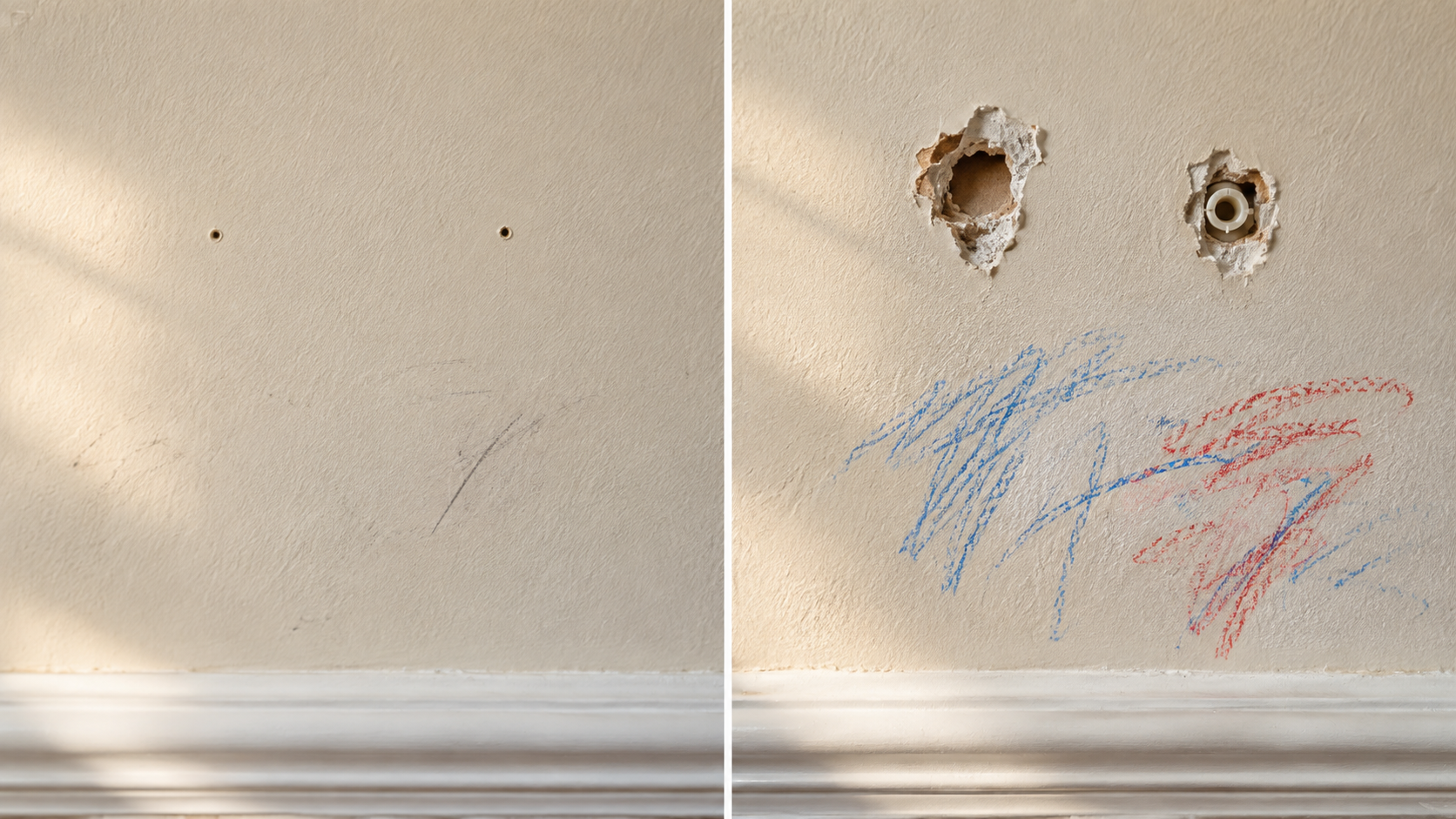
Nail holes are a genuine gray area in Ohio. Ohio Legal Help treats minor nail holes as normal wear and tear, while the Akron Municipal Court’s guidance lists holes from hanging pictures or shelving as potential damage. The practical approach is to set expectations in your lease agreement, such as allowing a reasonable number of picture hangers, and then charge only for nail holes and anchors beyond that standard, like drywall anchors torn out of the wall or TV mounts installed without permission.
Large holes, crayon or marker on walls, heavy smoke residue, and unapproved paint colors are excessive wear that crosses into damage. For those, the patching and repair costs are chargeable, and repainting the affected wall should be prorated against the paint’s remaining life expectancy.
Flooring and Carpet
Carpet shows wear and tear in predictable ways, especially along hallways and in front of sofas, and that traffic-path wear, minor fading, and light surface dirt are normal wear and tear and your cost. Pet stains, burns, tears, and water damage from a tenant’s neglect are damage. The HUD chart lists plush carpet and tile or linoleum at 5 years each in family units, though higher-grade materials can reasonably last longer, and your installation invoice is the best evidence of what you put in.
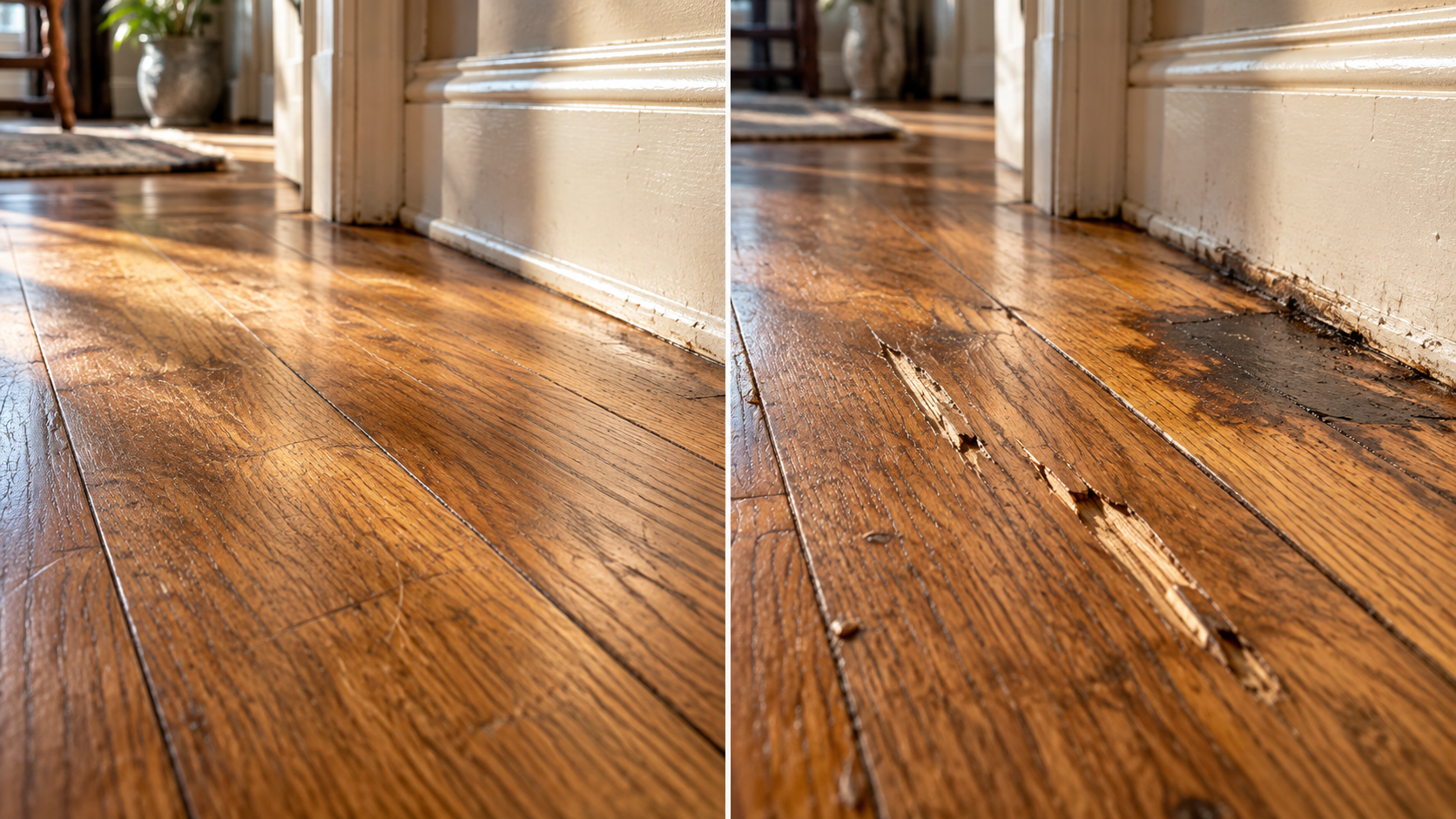
Hardwood floors follow the same logic. Minor scratches from furniture and foot traffic are normal wear and tear in any occupied home, while deep gouges, pet scratches across entire rooms, and water damage that warps wood floors are chargeable. Because hardwood can usually be refinished, the reasonable charge is typically the cost of refinishing the damaged area rather than replacing the floor.
Pets don’t change the rules either. Whether you collect a pet deposit or pet rent, stains and chewed trim go through the same process as any other deduction, which means documenting the damage, showing it wasn’t there at move-in, and prorating the charge.
Even when damage is clear, you can’t charge for a brand-new replacement. The Akron Municipal Court explains that damage awards for items like carpet reflect depreciated value, meaning the owner absorbs normal depreciation, and the math works like this:
Chargeable amount = replacement cost × (remaining useful life ÷ total useful life)
Say you installed $2,400 of new carpet in a family unit, and three years later the tenant’s dog leaves urine stains that professional cleaning can’t remove. With a 5-year life expectancy, 2 years of life remained, so the defensible charge to cover repair costs is $2,400 × 2/5, or $960, not the full $2,400. If that same carpet had already been in place for six years, it would be past its useful life, and a replacement charge would be very hard to support.
Kitchens, Bathrooms, and Appliances
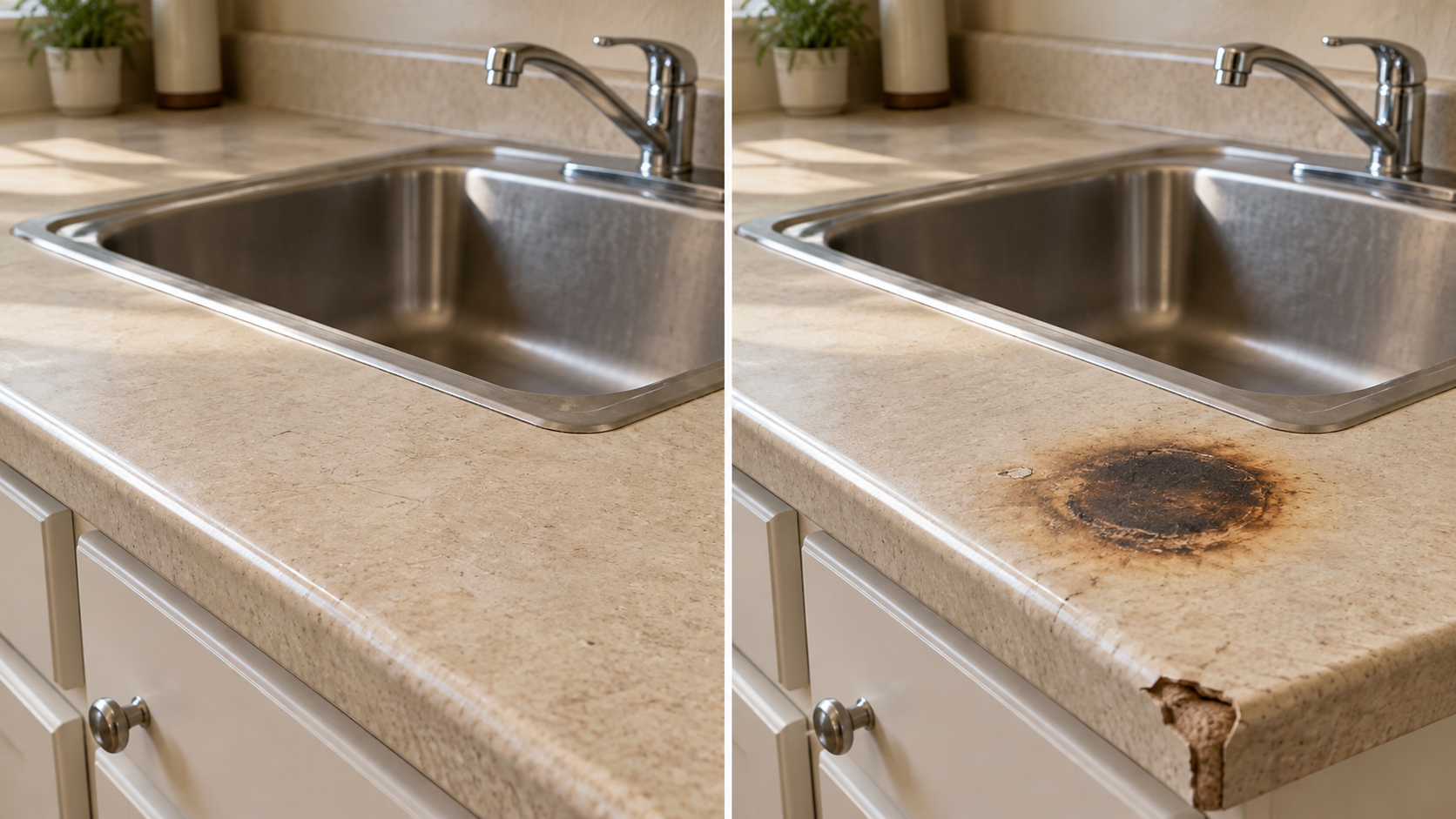
Kitchens and bathrooms take the most daily use, so worn appliance finishes, loose grout, cabinet doors sticking from humidity and age, and fixtures that loosen over time are all normal wear and tear. Appliances broken through misuse, cracked or burned countertops, broken enamel from a dropped object, and damage from ignored leaks that turned into costly repairs are chargeable. HUD’s chart lists refrigerators, hot water heaters, and air conditioning units at 10 years and ranges at 20 years, which gives you a starting point for prorating appliance damage.
Your lease matters here. Under ORC 5321.05, a tenant is responsible for maintaining landlord-supplied appliances like ranges, refrigerators, and dishwashers only when a written rental agreement requires it, so vague lease language makes appliance charges harder to defend.
Mold requires extra care. Moisture damage caused by tenant negligence, such as failing to report an active leak or blocking bathroom ventilation, can be chargeable. Mold caused by a roof leak, plumbing failure, or building defect is the landlord’s responsibility and shouldn’t come out of the deposit.
Doors, Windows, Fixtures, and Outdoor Areas
Worn door hardware, loose hinges, sun-faded window shades, and frayed blind cords are normal wear and tear, and HUD lists window shades, screens, and blinds at just 3 years of life expectancy. In furnished units, dirty or faded lamps and dated light fixtures fall in the same category. Broken windows or doors, ripped blinds, and missing light fixtures are damage, and removing any part of the premises is specifically prohibited under ORC 5321.05. Rekeying the locks between tenants is your cost, but rekeying because a tenant lost keys or didn’t return them is chargeable.
Outdoor areas depend heavily on what your lease assigns to the tenant. Thinning grass along a well-used path is wear and tear, while unapproved alterations, abandoned belongings, and trash left behind can be charged when your lease clearly defines the tenant’s exterior responsibilities.
Landlord Wear and Tear Guidelines for Gray Areas
Examples settle the easy cases, but every rental property move-out produces a few items that could go either way. These landlord wear and tear guidelines give you a repeatable way to judge those gray areas so your decisions stay consistent from one tenant to the next and are easy to explain if a charge is challenged.
Use the Useful-Life and Reasonableness Test
Before you add any charge to an itemized statement, run it through the following questions:
- How old was the item, and what’s its life expectancy? If the item was near or past the end of its life, a replacement charge is unlikely to hold up.
- Could it have been repaired instead of replaced? Ohio Legal Help notes that tenants shouldn’t be charged for a replacement when a repair would do the job, so billing minor issues at full replacement cost is an easy way to lose a dispute.
- Does the charge reflect actual loss, not an upgrade? If you replace damaged builder-grade carpet with luxury vinyl plank, the tenant can be charged only the prorated value of what they damaged, not the cost of the upgrade.
- Is the price fair and documented? Tie each charge to an invoice or written estimate at a reasonable market rate.
If a charge fails any of these questions, it’s safer to absorb it than to defend it.
Factor in Length of Tenancy
The longer a tenant occupies a unit, the more legitimate wear and tear it will show. A tenant who stayed five years will leave behind more faded paint, worn carpet, and loosened hardware than one who stayed ten months, and Ohio Legal Help makes the same point directly. Expecting a like-new rental unit after years of occupancy is one of the most common places owners misjudge the line, much like the procedural assumptions covered in our breakdown of what landlords still get wrong in Toledo evictions.
Document the Condition to Prove the Difference
Documentation is what turns a judgment call into a defensible deduction, and it’s the only reliable way to show the property’s condition at the start and end of a lease. Good records begin before move-in with thorough tenant screening and a clear lease agreement, then continue through every inspection. In the Toledo case described earlier, the tenant photographed every room when he moved out and won, while the landlord’s phone photos were excluded because he couldn’t establish when they were taken.
Move-In and Move-Out Inspections
Your move-in inspection and move-out inspection should mirror each other so a magistrate can see exactly what changed during the tenancy. A strong documentation process includes:
- A written move-in condition report, signed by the tenant, that notes every existing flaw
- Dated photos or video of every room at move-in, including close-ups of existing wear
- A move-out inspection completed promptly after you regain possession, using the same format and room order
- Records stored in a system where you can show when each photo was taken, rather than scattered across a personal phone
When a charge rests on a clear before-and-after comparison, most disputes end before they start.
Itemizing Damage Deductions
ORC 5321.16(B) requires you to deliver a written, itemized list of security deposit deductions together with the remaining balance within 30 days after the lease ends and the tenant returns possession, sent to the forwarding address the tenant provides in writing. Ohio doesn’t cap the security deposit amount, but if the deposit exceeds $50 or one month’s rent, whichever is greater, and the tenant stayed six months or more, Ohio also requires 5% annual interest on the excess.
Each line on your statement should identify the item, where it is, why its condition goes beyond normal wear and tear, the cost, and any depreciation applied. Compare these two entries:
- Weak: “Nail holes: $150”
- Defensible: “Bedroom 2, north wall: three drywall anchors pulled out, leaving 2-inch holes (move-out photos 14 through 16; not present at move-in). Patch and repaint wall: $185 per attached invoice.”
The first entry is almost identical to the charges that cost the Toledo landlord his case, while the second tells the tenant and the court exactly what happened and what it cost.
Handling Security Deposit Damage Disputes
Even with good documentation, some tenants will disagree with a deduction. How you respond determines whether security deposit damage disputes in Toledo stay a quick conversation or turn into a court case, and because wear and tear damage disputes usually come down to evidence, it pays to handle every challenge the same way.
Responding to a Disputed Deduction
When a tenant pushes back, a calm, documented response resolves most disagreements. Respond in writing and include:
- A copy of the itemized statement along with the relevant move-in and move-out photos
- Invoices or estimates for each disputed charge
- A short explanation of why each item goes beyond normal wear and tear, including your proration math
- An offer to discuss any line the tenant still questions
Review the tenant’s objections honestly, and if a charge doesn’t hold up to the useful-life and reasonableness test, refund that amount, since it costs far less than defending it in court.
Some owners are sidestepping these disputes altogether by replacing the traditional security deposit with a deposit alternative, which is part of the growing trend of deposit-free rentals. Oz Realty’s tech stack includes Obligo, a deposit alternative platform, for owners who want to explore that route.
When a Dispute Escalates
If a tenant believes you wrongfully withheld their security deposit, they can file suit, and in Toledo those cases are heard in Toledo Municipal Court’s Housing Division. If the court finds any portion was wrongfully withheld, ORC 5321.16(C) allows the tenant to recover that amount, an equal amount in damages, and reasonable attorney fees. The tenant’s right to damages and fees depends on having provided a forwarding address in writing, which is one more reason to keep every move-out communication on record.
In court, each side has to prove its case, so you’ll need to show it’s more likely than not that the condition reflects tenant damage rather than normal wear and tear. Your inspection reports, photos, invoices, and itemized statement are your evidence, and following a consistent process from move-in onward is the most effective protection for your rental property. For more on handling legal matters with tenants, see our guide to best practices for property owners in Toledo, and consult an attorney before a disputed deduction reaches a hearing.
Draw the Line With Confidence at Every Move-Out
Separating normal wear and tear from damage comes down to three things: knowing how Ohio defines each, applying life expectancy and reasonableness judgment to the gray areas, and documenting the unit so every deduction can be proven. Owners who apply all three keep the deductions they’re entitled to and avoid the double damages and attorney fees that follow a vague statement.
Oz Realty handles that entire process for Toledo owners, starting well before a tenant moves out. Thorough tenant screening reduces the risk of damage from day one, and every unit gets documented move-in and move-out inspections using digital tools like RentCheck, with records stored in the AppFolio owner portal alongside rent collection and maintenance history. When a lease ends, your property manager prepares a fair, itemized security deposit statement tied to photos and invoices and returns the balance on time under Ohio law, so you can focus on growing your investment property portfolio instead of collecting rent, scheduling inspections, and chasing repair estimates yourself.
Stop guessing where wear ends and damage begins. Get a free rental analysis and let Oz Realty document, assess, and manage your Toledo rental the right way.


